
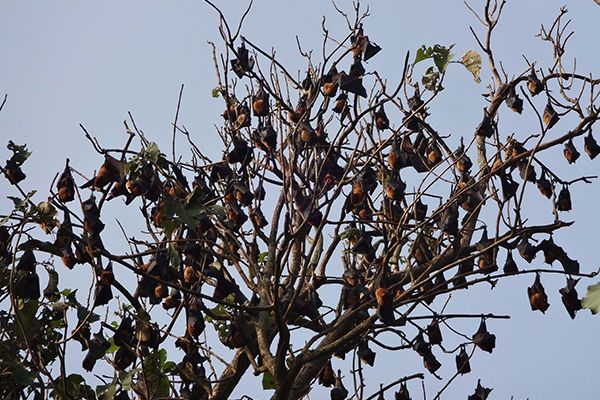
Bats have more than 1,000 species, which makes them the most productive breeders of the Class Mammalia. They have thrived for over 50 million years and have managed to adapt to almost every ecosystem on Earth. The key to their success is their incredible reproductive potential.
Bats’ high reproductive rate ensures that there are always plenty of bats to take advantage of new opportunities and repopulate areas where populations have been devastated by disease or other factors.
Their gestation period has a big impact on their reproductive success. Being able to produce young quickly means that the species can rebound quickly from population decline. So, how long does bat gestation last?
How Long Is Bat Gestation Period?
The bat’s gestation period lasts anywhere from 40 to 50 days. This is a relatively short time compared to other mammals. For example, the gestation period for elephants is 22 months!
Gestation is the time from when the egg undergoes fertilization until its young, which are called pups, are born. It lasts 40 to 50 days on average, depending on the bat species.
For example, the gestation period for the little brown bat is 40 to 50 days, while it is 60 to 70 days for the big brown bat. The typical Myotis bat has a gestation of 45 days, while the Virginia big-eared bat has 50 to 60 days.
But, having mentioned these differences, have you not wondered which bat species have the most prolonged gestation? These are the infamous blood-sucking vampire bats! Their pregnancy lasts up to about 209 days or 3-7 months.
Bats Mating Season
Bats mate from September until October. In fall, just before winter. Food is more abundant during this time, and they can store more fat to help them survive the harsh winter.
During the birthing season, male bats will compete with females by engaging in aerial displays and vocalizations. After this mating call, the female will choose a mate based on these displays. Once the female has chosen a mate, they will start to copulate with the male bat gripping the female with his feet, and clasping her wings with his.
Bat Mating Habits
Female bats typically mate with multiple males because they contribute very little to the actual nurturing of the young. The females need to be able to produce enough offspring to ensure that at least some will survive to adulthood.
When mating, bats often form large colonies, including tens of thousands of individuals. The bats will mate in the air while hanging upside down from their maternity roosts.
What are bat maternity roosts? Sometimes termed maternity colonies, these are the areas where pregnant female bats give birth, take care of, and wean their pups. The roost can be a small group, 40-50 colonies, or even thousands of them.

Bats Nesting Habits
Bats don’t have nests when they lay eggs; they only rely on their colony and their exclusion from the areas where predators and other wild animals roam. They’ll utilize existing dark spaces of buildings, caves, or anywhere away from light.
At night they will fly out to hunt for food. Some tree-dwelling bats may even build tents out of leaves to roost during the day.
Bats will give birth in their maternity roost, usually in caves, buildings, or trees. The pups will be born blind and hairless. The mother bats will nurse their young bats until they can fly and fend for themselves, around 6-8 weeks. After that, the young will leave the roost to survive independently.

How many pups do bats have?
Female bats give birth to babies from late May to early June. Although most bat species can normally capacitate only one pup per litter, this can rise to five. The Lasiurus cinereus, or the hoary bat, can carry up to 4 babies, while the Eptesicus fuscus, or the big brown bat, on average can carry only one to two pups.
Juvenile Bats
Bats stay with their mothers until they’re weaned and ready to fend for themselves, which is around 6-8 weeks of age. After that, the young will leave the roost to survive on their own.
During the first few weeks of life, baby bats are unable to fly and must climb up their mother’s bodies in order to nurse.
As they get older, they will begin to explore their surroundings and learn to fly. Once they can fly, they will leave the roost to find food and a place to live on their own. They reach sexual maturity anywhere from 6 to 24 months, depending on the species, once they mature they will join a colony of their own.
Development Cycle
Bats go through different development stages before becoming adults. The cycle stages are:
Egg: The egg stage is when the father bat’s sperm fertilizes the mother bat’s egg.
Embryo: The embryo stage is when the egg develops and grows into a fetus. This process takes about 40 days.
Fetus: The fetal stage is when the baby bat is fully developed and grows inside the mother’s womb. The process may take about 60 days.
Pup: The pup stage is when the baby bat is born. These bat pups are born blind and hairless, and in about three weeks, there are chances to spot them on the ground as they are already learning to fly.
Juvenile: The juvenile stage is when the young bat starts to grow its fur and learn how to fly and hunt. This process takes about 6-8 weeks.
Adult: The adult stage is when the bat is fully grown and can reproduce. Male bats can produce for as early as six months, although Dauber’s is at three months at the earliest on record. On the other hand, female bats usually have their first pup at two years old, despite being mature months before that.

Bat Removal and Maternity Season
When these bats infest your home, you must’ve thought of shooing them away. It can be quite agitating, most especially when they’ve already formed colonies. But, be careful! You might encounter them at the wrong time.
Their removal during bat maternity season is illegal in most states. Most bat species are legally and fully protected by state and federal law. This is during this season that flightless baby bats, called “pups”, depend on their mothers for survival.
Contact us and we’ll be more than happy to help you with your bat problem in a legal and humane way.
Professional Bat Removal
If you’re unsure and don’t know what to do with the bats roosting in your attic or any part of your house, call a professional bat removal company like us at AAAC Wildlife Removal. We will be more than happy to help you with your bat problem in a safe and humane way. We also offer a wide variety of other wildlife removal services to take care of any other pests you may have. Give us a call today!
Conclusion
So, there you go! Bats’ gestation period lasts for 60 days on average. But, it’s important to note that this varies depending on the species of bat. In the US, bats are a protected species and it’s illegal to remove them during the maternity season. Knowing bats’ gestation period will help you determine the best time to have them removed from your home.
If you’re unsure, it’s always best to call a professional bat removal company like AAAC Wildlife Removal to take care of the problem for you. We offer a wide variety of other wildlife removal services as well, so give us a call today!